
Linux Operating System For Mac
Linux operating systems are one of the most sophisticated software that has been prevalent from the evolution of olden-day computers. The biggest advantage with such operating systems is the amount of customizability that can be embedded along with the user interface. The operating system is a good platform to develop applications as well.
There are various operating system distributions that implement the Linux core to implement the graphical user interface to get things done. The Linux operating system drastically covers individual users for their administrative works through their graphical user interface.
Overview
Server distribution is majorly based on commands that would require the user to know advanced Linux in-line commands to get things done in the operating system. The server packages are based on the DNS server and for running the backend services that will help you in running the server-based operating system. The biggest advantage with the Linux operating system is that the amount of compatibility that the system has to offer for the users using Linux OS.
The users can extensively use various applications in the operating system combined along with the integrated server applications. All these features make the operating system, one of the most sought after in the computing industry.
If you are very much comfortable in using commands in operation while working with an operating system, then the Linux OS is the best choice for you. There are various Linux OS distributions that are based on the Linux kernel and some of them include;
Depending on your model number (depends on release date) you will find easier to install certain distributions (e.g. Installing Arch Linux in MacBook Pro mid 2015 will represent a high learning curve because of very specific config. Jun 15, 2020 ArcaOS is an operating system based on the last IBM release for OS/2. While OS/2 barely survives as a legacy system, even after being extended for a while as eComStation, ArcaOS is still being. Linux operating system free download - SAT Operating System For TI-89, Microsoft Office 2008 update, NTFS-3G, and many more programs. Apple Mac OS X Snow Leopard. Differences Between Linux vs Mac. Though both Linux and Mac are the operating systems for computer devices, Linux is an open-source operating system that can be used on any device, and Mac is an operating system that can be used only in Mac devices. Linux acts as an operating system, a platform to run other system applications, also as a server unit. Linux (/ ˈ l i n ʊ k s / LEEN-uuks or / ˈ l ɪ n ʊ k s / LIN-uuks) is a family of open source Unix-like operating systems based on the Linux kernel, an operating system kernel first released on September 17, 1991, by Linus Torvalds. Linux is typically packaged in a Linux distribution. Distributions include the Linux kernel and supporting system software and libraries, many of which are.
1. Debian
The Debian operating system is one of the most sophisticated operating systems that is based upon the Linux kernel. There is various amount of software developers that rely upon this operating system to get the job done. The biggest advantage with the Debian is that it is a pretty good Linux distribution that probably gives most of the full-time program stackers and developers to have complete freedom in developing applications for the Linux kernel. The Debian is also one of the most relied upon Linux distribution that is known for the best graphical user interface.
2. Ubuntu
Now for any of the people who are in the software industry, the Ubuntu software is a well-known entity. The extrinsic amount of Ubuntu software that is prevalently used in the developmental industry is with the significance of its practicality with the users. Ubuntu is regarded as one of the best Linux based operating system kernels that are very much useful for beginners. Ubuntu is a free desktop-based operating system prevalent in many systems across.
3. Mint
The Mint operating system is one of the most sophisticated operating systems that is based on the Ubuntu version of Linux kernel. They have a lot of similar traits as of the Ubuntu software and are definitely the best for anyone who is trying to understand the Linux operating system. There are various advantages with the Ubuntu-based operating system and the best part is improved GUI when compared to the original Ubuntu version.
4. OpenSUSE
Software und Software-Entwicklung or Software and systems development that is a German-based operating system. The operating system was developed full-time for open source development of applications. The operating system was developed keeping in mind the majority of the people who are depending upon open-source platforms to scale their applications. OpenSUSE was a community project sponsored mainly by SUSE and other branched companies.
5. Fedora
RedHat in their initial days into the market started with Fedora, a Linux kernel-based operating system. Fedora packed all the features of a conventional operating system that was based on the Linux kernel. The fedora was also a community project where RedHat wanted to increase the trend for software development in the growing communities.
6. Elementary
Elementary is the same operating system that was backed by the same appearance as an Ubuntu desktop. The advantages of the Elementary software are that the system supported applications that were customizable according to the user. That means that the operating system will be able to support applications like Videos, Gallery and conventional web browsers as well.
7. CentOS
CentOS is also a community project that will mostly help in backing up with the application-oriented development. The CentOS is also an open-source platform that will help with most of the operations that are Linux kernel-based. It is an enterprise-class type operating system, that will help you get the most out of every kernel-based operating system.
8. Arch Linux
Arch Linux is probably one of the most recent additions to the Linux kernel-based operating system. The Arch Linux is based upon the advanced repository that it has to support the operations of a Linux kernel-based operating system. the features that are packed in with the Linux based operating system are more advanced and are compatible with both 32-bit and 64-bit operations.
9. Manjaro
The Manjaro is a sophisticated version of the Arch Linux platform and is best for using it in a conventional Ubuntu-based environment. That is not all, the bigger appeal with the Manjaro OS is that it is available in both 32-bit and 64-bit versions just like the Arch Linux platform as well.
10. Zorin
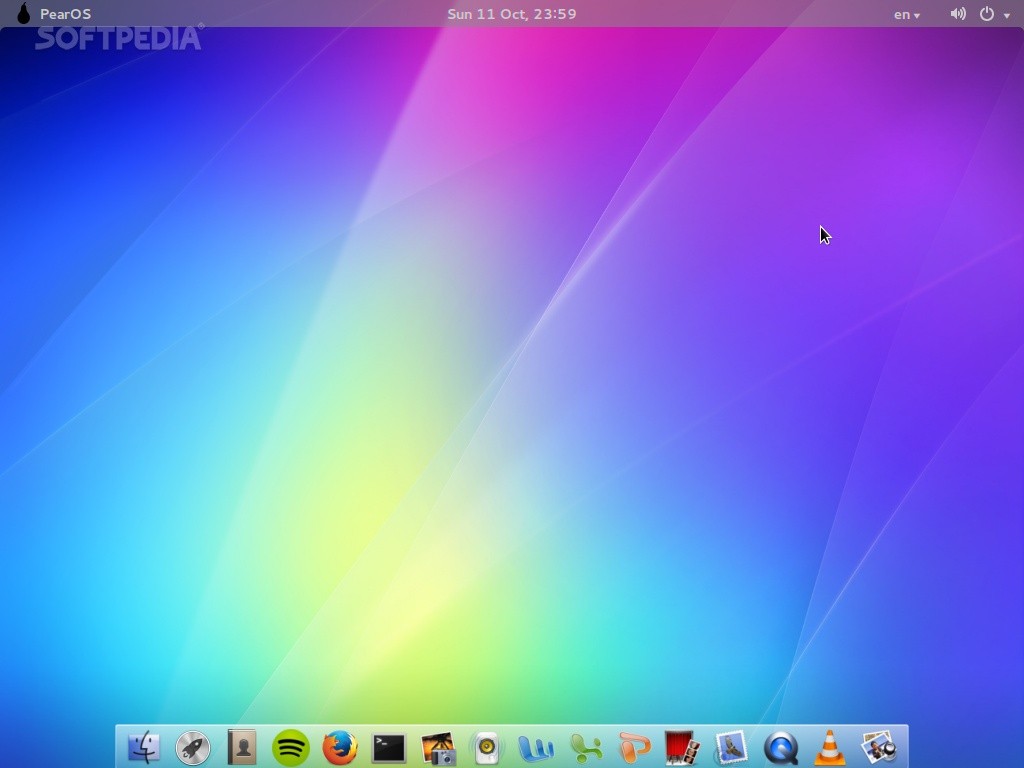
Zorin is probably the sequel Linux based operating system that was built to give users the Windows operating system kind of vibe in an ubuntu environment. That is not all, there are a lot of features that are packed into the operating system that will get the most out of every feature embedded into the operating system. The best part about the Zorin OS is that it allows the user to install an application that will help you run Windows applications in an Ubuntu environment. This probably the best operating system in the Linux line of distributions to get used to the Linux Operating system.
Download Linux ISOs: Top 10 Free Linux Distributions - ISORIVER
There are various operating system distributions that implement the Linux core to implement the graphical user interface to get things done. The Linux operating system drastically covers individual users for their administrative works through their graphical user interface.
Price Currency: USD
Operating System: Linux
Application Category: OS
The following article is a guide to installing Linux on a Mac PC. Most of the time we opt for Linux operating systems but are confused about the hardware requirements. The tutorial will help you run Linux system on your Mac which will completely replace the original OS. Read on below to find out:
Before you begin, you’ll first need to select the distribution you want to work on. Whichever you choose will determine the kind of working environment you want. Some of them include:
- Ubuntu: One of the most popular operating systems built on Unity. It is great for new users and offers a very similar environment as macOS does.
- LinuxMint: Released in 2006, this type is more Window- like and comes in with a range of desktops (Cinnamon, Mate etc.) for Users.
- Debian: This is perfect for people working on the server side. Although, Debian is a little complicated to set up and use, but offers a lot more features than Ubuntu and Mint.
- Fedora Linux: This distro is based on various packages such as DNF, RPM and GNOME. It is not recommended for beginners because of the complex working environment.
Try to get familiar with the distribution you want to install so you don’t have any issues later. We recommend starting with Ubuntu since it is the most used and offers plenty of community support in case if you get stuck somewhere.
Linux Operating System For Macbook
Installing Linux on a Mac
Yes, there is an option to run Linux temporarily on a Mac through the virtual box but if you’re looking for a permanent solution, you might want to completely replace the present operating system with a Linux distro.
To install Linux on a Mac, you’ll need a formatted USB drive with storage up to 8GB. Remember this process will wipe out your current macOS/OS X installation and there is probably a very hard chance to recover it back. Also, don’t try to run macOS and Linux on dual boot because that won’t work too.
Follow the steps for installation below:
Free Download Linux Operating System For Mac
- Download Ubuntu or any other Linux distro you want to the Mac. Save it in your Downloads folder.
- Now download and install Etcher, an app that will help copy the Linux installation file to your USB drive. (https://www.balena.io/etcher/)
- Open the app and click on the Settings icon. Tick on the Unsafe Mode and click on Yes, Continue.
- Now Click on SelectImage. Choose the name of the .iso file you downloaded in Step 1.
- Insert your USB Drive
- Under the SelectDrive option, Click Change. Pick the drive option that matches with your USB drive in size. If you have inserted one drive in your Mac, the option will show /dev/disk1. If there are two drives attached, there will be an option for /dev/disk2 and so on. Note that /dev/disk0 is your Mac’s hard drive. Do not select that option.
- Now click Flash to start copying.
- Remove the USB Flash Drive and Shut down your Mac.
- Now attach the USB drive on the Mac again or to any other PC you want to install it to.
- Power up the PC while constantly holding the Option key
- From the start up screen, select the EFI Boot Option
- You will see a screen with Ubuntu Installation Options that will ask you to either Try Ubuntu or Install Ubuntu. Press the letter ‘e’ to go the boot entry.
- Here, you will have to edit the boot entry. Change the line starting with Linux and add the word ‘nomodeset’ after ‘quiet splash’. It should be like this:
- Now, Press F10
- Ubuntu will start booting into trial mode
- Click on the option, ‘Install Ubuntu’
- Select your Language and Continue
- Now, select the option ‘Install this third party software’ and click continue
- Click Yes to the alert option for /dev/sdb
- Now select ‘Erase Disk and Install Ubuntu’ and click on continue
- Make sure you select the main hard drive and click on Install Now.
- Select your location and then click on continue
- Choose your keyboard layout and click on Continue
- Add a name and Password that you want to use
- Click on Continue and your Linux Distro will start installing
- Once the installation is finished, you will be asked to restart your Mac
- Now, login with your name and password to start using Ubuntu.

Note: During the installation process, we used the entire hard disk for Ubuntu in step 20, which means your MacOS will be permanently deleted. If you want to keep the MacOS, you will have to make disk partitions, a small 8GB partition and a larger 1000GB for Linux. You can also go to Disk Utility to create proper partitions before you start installing Linux. Have a look here (https://linuxnewbieguide.org/how-to-install-linux-on-a-macintosh-computer/)