
Mac For Proxy

Verifying Mac Proxy Settings. Apple Mac Proxy Settings can be found in System Preferences- Network- Advanced. NOTE: Each Network Adapter will have Proxy Settings. For example, if internet is available through an Ethernet Port and a WiFi Connection there will be two adapters each with separate proxy settings. The Fiddler Everywhere default. Sshuttle VPN is a transparent proxy server for Mac. Your network will stop responding about 10 minutes after the first time you start sshuttle, because of a MacOS kernel bug relating to arp and the net.inet.ip.scopedroute sysctl. Mac proxy free download - WWD FTP Proxy for Mac, WinZip Mac, Avast Free Mac Security, and many more programs.
Now and then, you may be required to tweak proxy settings on any device, be it Mac, Linux, or Windows. So, did you ever realize the need to change the proxy settings on your MacBook as well? If yes, then this post might help you. We have covered a step by step guide on configuring proxy on Mac in the quickest and simplest way possible.
Also Read: How To Watch Youtube Videos Blocked In Your Country
How to Tweak Proxy Server Settings on Mac
Let’s get started.
Why Do you Need a Proxy?
A proxy server stands as a firewall between you and the Internet to ensure privacy. In general cases, a proxy server is used to bypass the network traffic. So, when you use a proxy server, all the applications and websites re-route the network traffic to a different channel, rather than sending it to the actual destination.
One of the most common reasons why most users might feel the urge to use a proxy server is to watch geo-restricted content, including movies and TV shows that are not available in your region. With the help of a proxy server, you can bypass the network traffic to a proxy server and easily access media content, which is not available in your country.
Also Read: How to Access Blocked Sites Without Using Proxies or VPNs
How to Configure Proxy on Mac?
Every browser has its settings to customize the proxy server, including Safari, Chrome, and Firefox. Follow these quick steps to configure Mac’s proxy by making a few quick changes in the default system settings.
Tap the Apple menu icon in the top-left corner and select “System Preferences.” Tap on “Network.”
In the Network settings window, select the network connection or simply the WiFi network name you’re currently connected to.
After selecting the network name, tap on the “Advanced” button placed on the window’s bottom-right corner.
In Advanced settings, switch to the “Proxies” tab.
macOS offers you different alternatives to manage proxy server settings. For example, If you check on the “Auto Proxy Discovery” option, your system will automatically detect a random proxy server and connect your device.
The second option is the “Automatic Proxy Configuration,” which you can use to enter a proxy address manually in the form of a .PAC (Proxy Auto Configuration) file. To use this option, you simply have to enter the address of the.PAC file in the URL box. You will also have to enter a user ID and password for the proxy server.
The third option that you see on the list is the “Web Proxy (HTTP).” By checking on this particular option, you will manually enter a URL address of a proxy server.
Once done, don’t forget to hit the “Apply” button to save your recent changes.
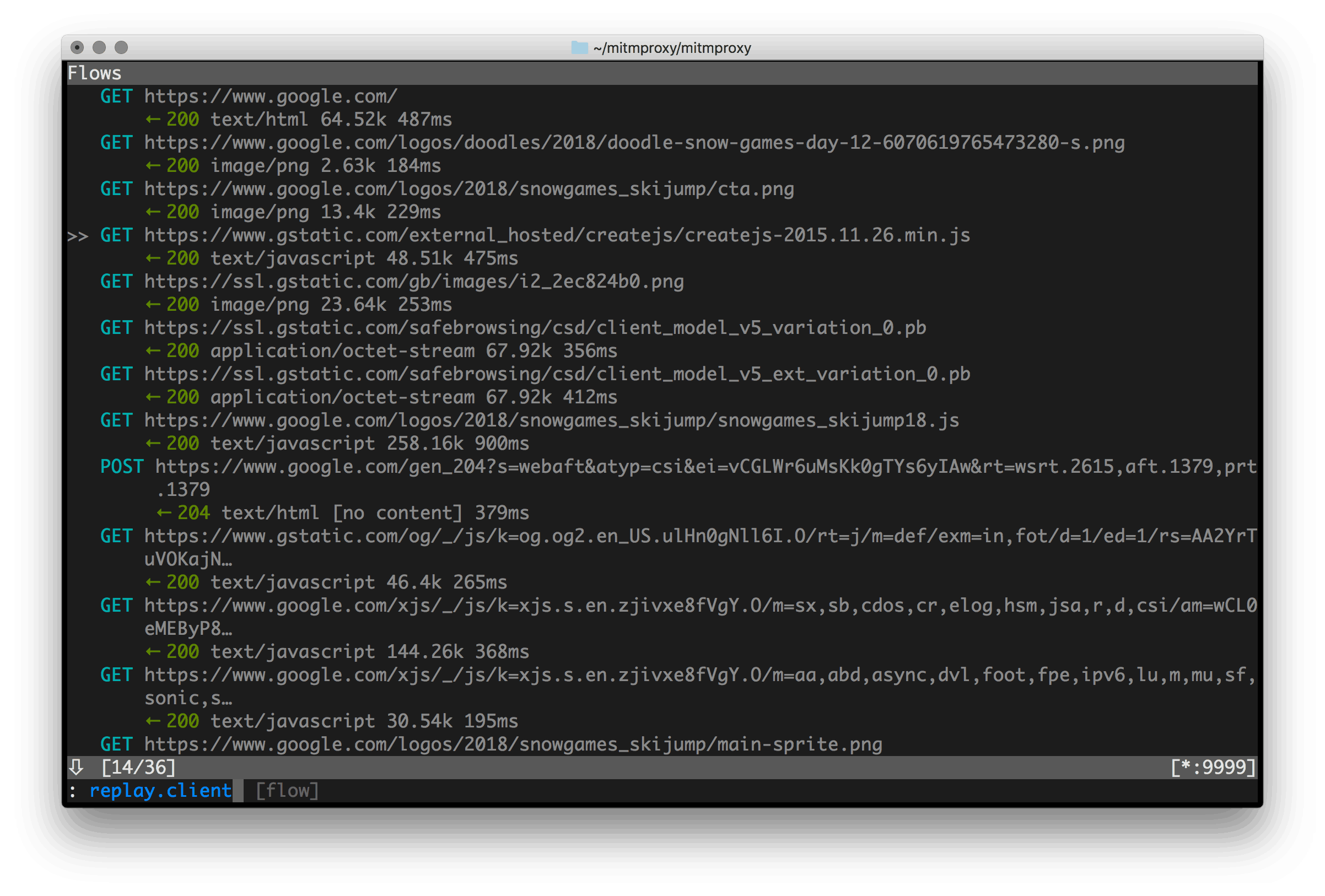
Mac Proxy Server
Also, if you have entered an invalid URL, the webpage won’t load, and you will see the following message displayed on the browser window.
To resolve this, you might have to re-configure the proxy settings on your Mac or simply enter a valid proxy server address to redirect network traffic.
Download Systweak Anti-malware to Protect your Device
Looking forward to enhancing security on your Mac? Download the Systweak Anti-malware tool to strengthen the security on your Mac devices. This nifty tool does a splendid job of protecting your device against any potential threats and vulnerabilities, including viruses, malware, adware, trojans, etc.

This wraps up our step by step guide on how to configure proxy on Mac. For any other queries or assistance, feel free to hit the comment box.
Responses
Estimated reading time: 2 minutes
If your container needs to use an HTTP, HTTPS, or FTP proxy server, you canconfigure it in different ways:
In Docker 17.07 and higher, you canconfigure the Docker client to passproxy information to containers automatically.
In Docker 17.06 and lower, you mustset appropriate environment variableswithin the container. You can do this when you build the image (which makesthe image less portable) or when you create or run the container.
Configure the Docker client
On the Docker client, create or edit the file
~/.docker/config.jsonin thehome directory of the user which starts containers. Add JSON such as thefollowing, substituting the type of proxy withhttpsProxyorftpProxyifnecessary, and substituting the address and port of the proxy server. Youcan configure multiple proxy servers at the same time.You can optionally exclude hosts or ranges from going through the proxyserver by setting a
noProxykey to one or more comma-separated IPaddresses or hosts. Using the*character as a wildcard is supported, asshown in this example.Save the file.
When you create or start new containers, the environment variables areset automatically within the container.
Use environment variables
Mac Global Proxy
Set the environment variables manually
When you build the image, or using the --env flag when you create or run thecontainer, you can set one or more of the following variables to the appropriatevalue. This method makes the image less portable, so if you have Docker 17.07or higher, you should configure the Docker clientinstead.
Mac Proxy For Terminal
| Variable | Dockerfile example | docker run Example |
|---|---|---|
HTTP_PROXY | ENV HTTP_PROXY='http://127.0.0.1:3001' | --env HTTP_PROXY='http://127.0.0.1:3001' |
HTTPS_PROXY | ENV HTTPS_PROXY='https://127.0.0.1:3001' | --env HTTPS_PROXY='https://127.0.0.1:3001' |
FTP_PROXY | ENV FTP_PROXY='ftp://127.0.0.1:3001' | --env FTP_PROXY='ftp://127.0.0.1:3001' |
NO_PROXY | ENV NO_PROXY='*.test.example.com,.example2.com' | --env NO_PROXY='*.test.example.com,.example2.com' |